


This post contains affiliate links.
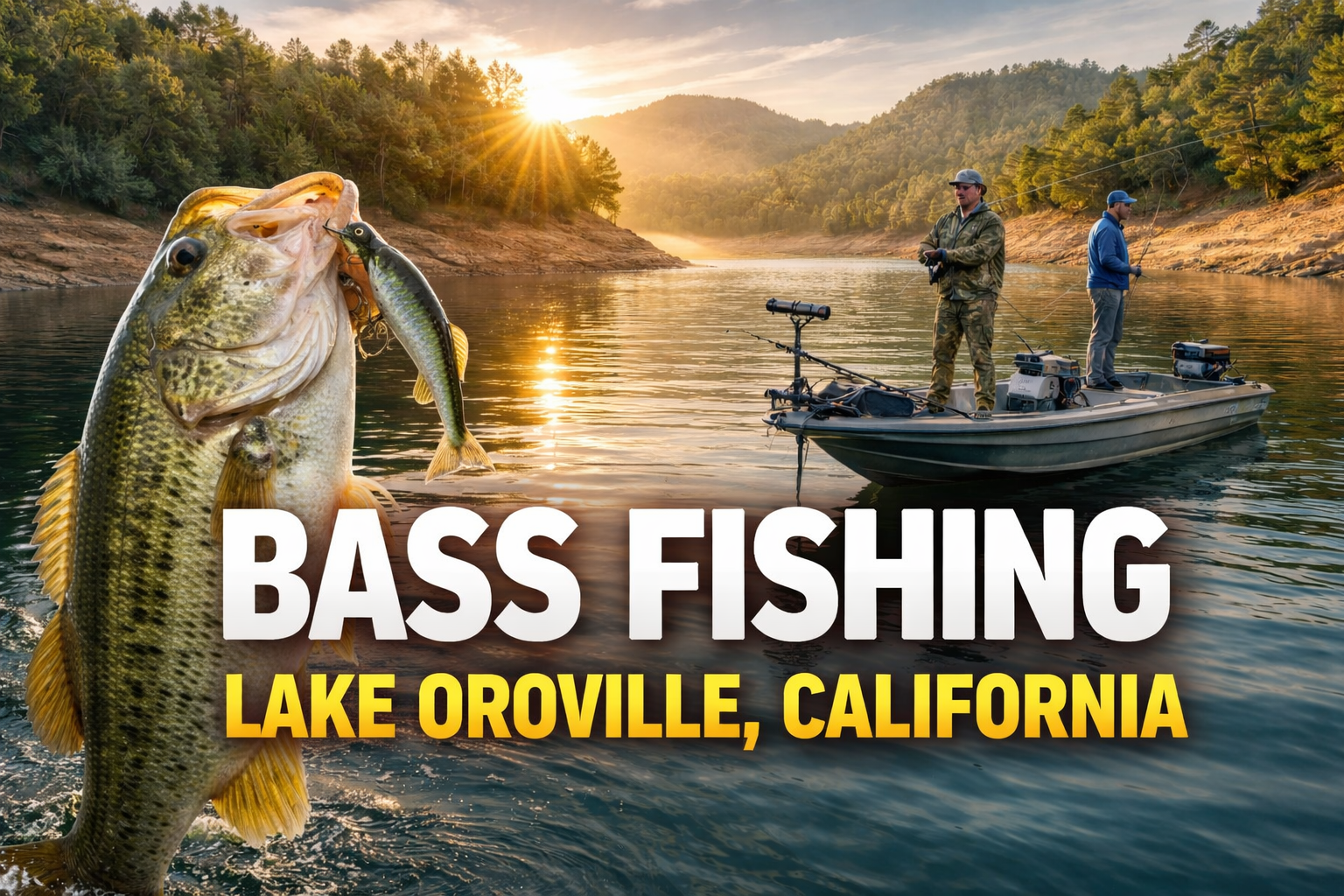
Lake Oroville is one of those places that can spoil you as an angler
On the right day, it feels like every cast has a chance to produce a fish. On the wrong day, it can leave you wondering if there are any bass in the lake at all. That contrast is exactly what makes it such a rewarding fishery.
Located in Northern California’s Sierra Nevada foothills, Lake Oroville is the second-largest reservoir in the state and one of the most consistent bass fisheries on the West Coast. It’s especially known for its healthy population of spotted bass, which provide steady action throughout the year. But success here isn’t about luck—it’s about understanding how the lake works.
Once you figure that out, everything changes.
Understanding Lake Oroville’s Bass Fishery
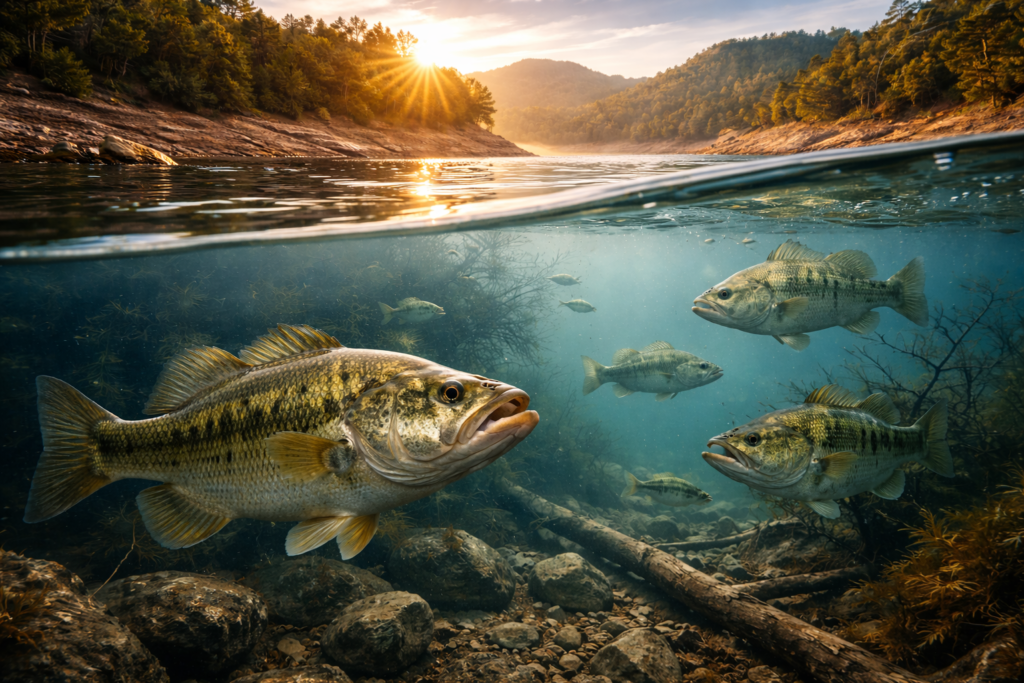
The majority of bass in Lake Oroville are spotted bass, and they are the reason so many anglers keep coming back. These fish are aggressive, plentiful, and willing to bite if you approach them correctly. Most will fall in the one- to three-pound range, but what they lack in size they make up for in numbers and fight.
Largemouth bass are present as well, though they’re less common and tend to stick to shallow cover, especially in warmer months. If you’re specifically targeting bigger fish, largemouth are your best bet, but they require more time and patience to locate. Smallmouth bass also exist in the lake, typically relating to rocky areas and deeper structure, though they’re not a primary focus for most anglers.
What really defines Lake Oroville is how these fish behave. The water is clear, the lake is deep, and the bass are heavily influenced by baitfish. That means they move often, change depth frequently, and won’t tolerate sloppy presentations. This is a thinking angler’s lake.
Why Lake Oroville Fishes So Consistently
There are a few key factors that make Oroville such a productive bass fishery.
First, the structure is nearly perfect. The lake is filled with steep rocky banks, long tapering points, submerged timber, and deep channels. These features give bass everything they need to feed and move throughout the seasons.
Second, the water clarity plays a major role. In clear water, bass rely heavily on sight, which means they’re more cautious. You can’t just throw big, loud baits all day and expect results. Subtlety matters here—light line, natural colors, and realistic presentations consistently outperform aggressive approaches.
Finally, baitfish drive everything. If you find the bait, you’ll usually find the bass nearby. If you’re not around bait, you’re probably fishing empty water. This is one of the most important concepts to understand on this lake.
Seasonal Patterns That Actually Work
Lake Oroville is a year-round fishery, but the way you approach it changes with the seasons.
In spring, the lake comes alive. Bass move shallow to spawn, making them easier to locate and more willing to bite. Rocky banks, coves, and protected areas become prime targets. This is when techniques like wacky rigs, Ned rigs, and small swimbaits shine. Early morning and late evening can also produce exciting topwater action. For many anglers, spring is the best time to experience what Oroville has to offer.
As summer sets in, the pattern shifts dramatically. The fish move deeper, often holding in 20 to 50 feet of water or more. The early morning topwater bite can still be excellent, but once the sun gets high, it becomes a finesse game. Drop shot rigs, football jigs, and deep-diving crankbaits become essential. If you’re not willing to fish deep in the summer, you’ll miss the majority of the action.
Fall brings a welcome change. Bass begin chasing bait more aggressively and often move between shallow and mid-depth areas. This is a great time to cover water and fish faster. Reaction baits like spinnerbaits, jerkbaits, and swimbaits become highly effective. Many anglers overlook fall, but it can offer some of the most enjoyable fishing of the year.
Winter slows things down, but it doesn’t shut the lake off. Bass hold deeper and group up, and while the bite becomes more subtle, it’s still consistent. Finesse techniques dominate—drop shots, Ned rigs, and small jigs are your best tools. The key is patience and slowing your presentation way down.
The Techniques That Catch Fish at Oroville
If there’s one overarching strategy for Lake Oroville, it’s finesse fishing. The clear water demands it. Light line in the six- to ten-pound range, natural colors like green pumpkin or shad, and subtle movements will consistently outperform heavier, more aggressive setups.
Structure is equally important. Bass in Oroville relate heavily to rock, points, and drop-offs. Long points that extend into deeper water are especially productive because they act as transition routes for fish moving between depths. Submerged trees and timber can also hold fish, particularly during seasonal changes.
Depth control might be the single most important factor. Bass in this lake are not locked into one depth. One day they might be shallow, the next they could be suspended over deep water. Successful anglers constantly adjust until they dial in where the fish are holding.
And then there’s the bait. Always pay attention to it. Whether you’re using electronics or simply watching for surface activity, locating baitfish will dramatically increase your chances of finding bass.
Lure Selection: Keep It Simple
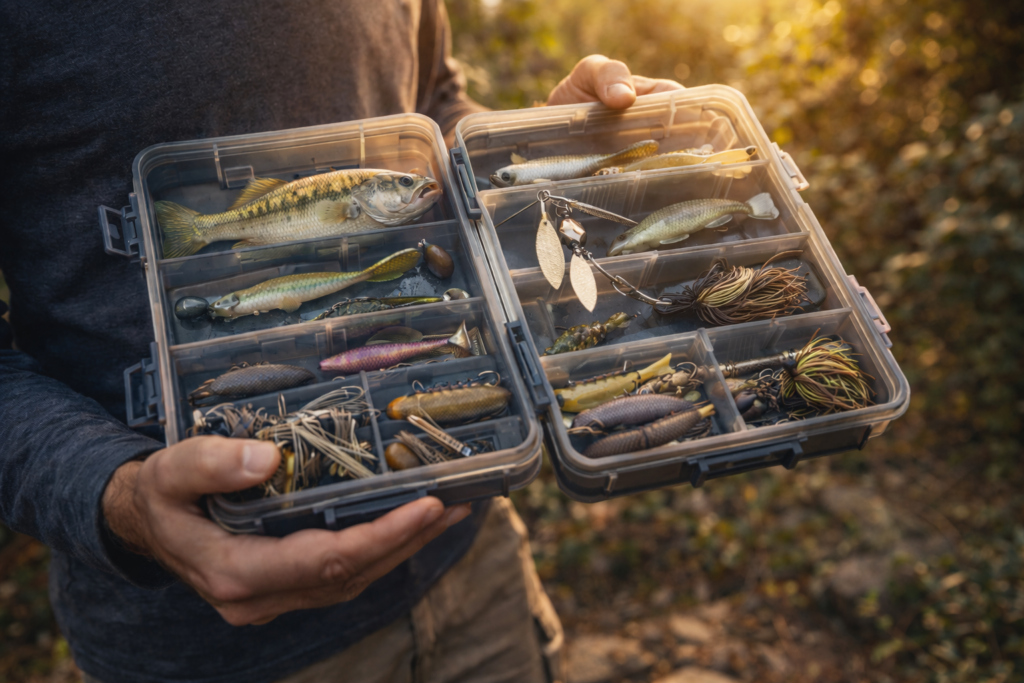
You don’t need a massive tackle selection to succeed at Lake Oroville, but you do need the right tools.
A drop shot rig is arguably the most reliable setup on the lake and works in every season. Ned rigs are another excellent choice, especially for numbers. Small swimbaits do a great job of matching the lake’s baitfish, while jigs are ideal for deeper structure.
Spinnerbaits and other reaction baits come into play when conditions are right, particularly in wind or low-light situations. And when the timing is right—especially early or late in the day—topwater lures can produce some of the most exciting bites you’ll get anywhere.
Where to Start on the Lake
Because Lake Oroville is so large, it can feel overwhelming at first. The best approach is to simplify.
Start with main lake points and nearby coves. Focus on rocky areas that transition into deeper water. These spots tend to hold fish consistently and will help you establish a pattern.
Rather than running all over the lake, pick an area and learn it. Pay attention to depth, structure, and bait activity. Once you start getting bites, look for similar areas elsewhere on the lake.
Boat vs. Shore Fishing
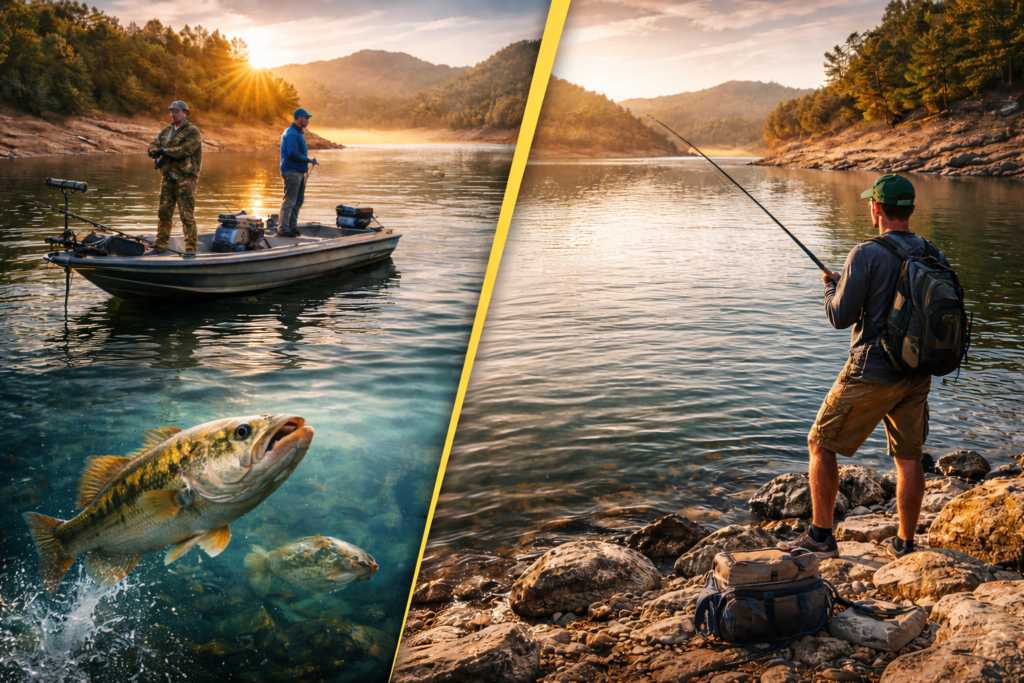
Fishing from a boat gives you a major advantage at Lake Oroville. It allows you to access deeper water, cover more ground, and use electronics to locate fish and bait. Most anglers who fish the lake regularly do so from a boat.
That said, shore fishing is still possible. Your best bet is to target steep banks, especially near the dam or areas where deep water is close to shore. Fishing during low-light periods can also improve your chances.
Common Mistakes to Avoid
Lake Oroville can be frustrating if you fall into a few common traps. Fishing too fast is one of the biggest mistakes, especially in clear water. Bass here often need a slower, more natural presentation.
Another mistake is ignoring depth. If you’re not getting bites, don’t just change lures—change depth. That’s often the real issue.
Using line that’s too heavy can also hurt your success, as clear water makes fish more cautious. And finally, staying in one spot too long without results can waste valuable time. Mobility and adjustment are key.
Final Thoughts
Lake Oroville is a lake that rewards anglers who pay attention and adapt. It’s not about throwing the biggest lure or fishing the fastest—it’s about understanding conditions and making the right adjustments.
Once it clicks, the lake can offer some of the most consistent bass fishing you’ll find anywhere. Whether you’re chasing numbers, improving your skills, or just enjoying a day on the water, Lake Oroville has something to offer.
Learn the patterns, trust finesse techniques, and always pay attention to depth and bait. Do that, and you’ll start to unlock what makes this lake so special.
This post contains affiliate links.