


This post contains affiliate links.
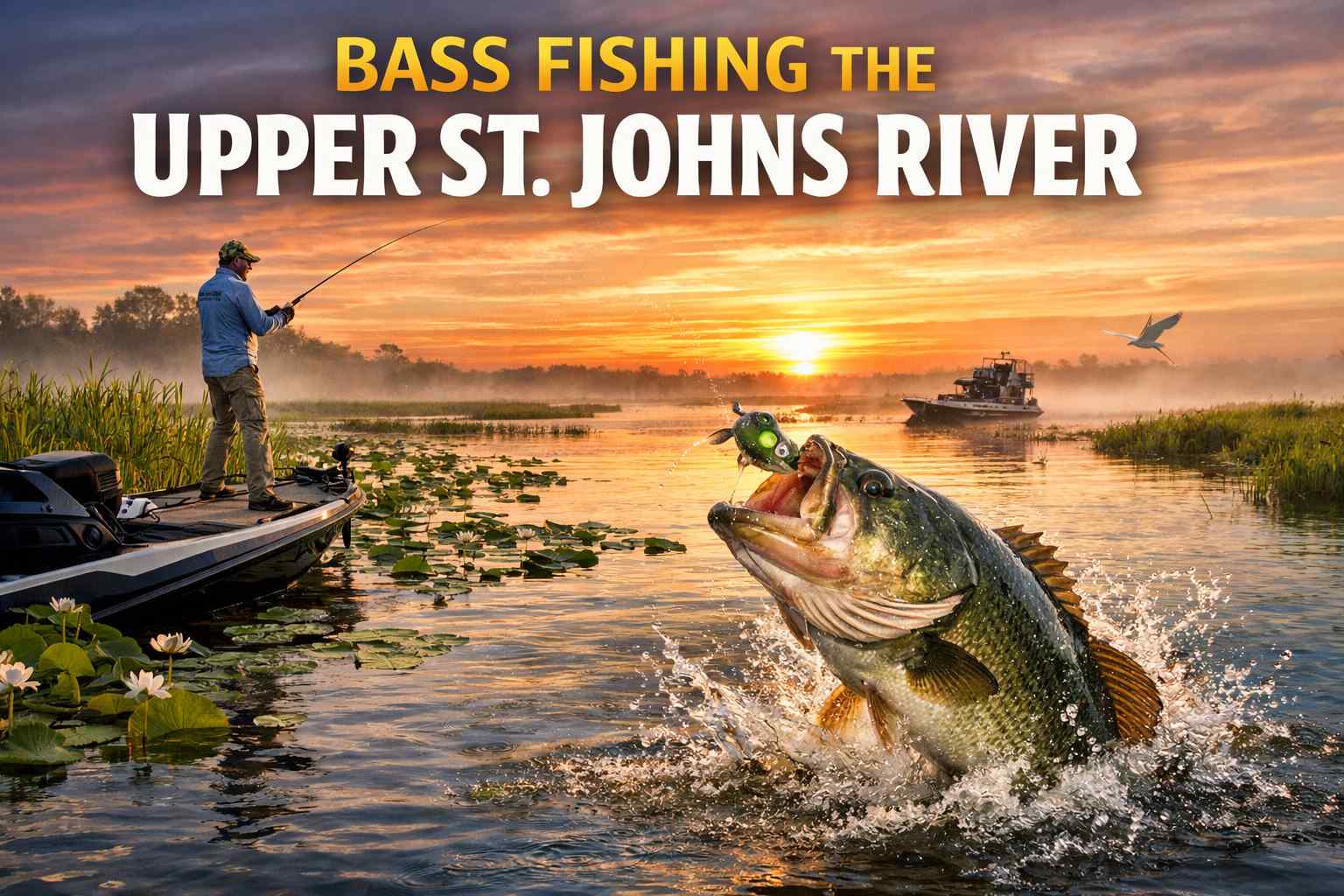
The Upper St. Johns River in Florida is one of the most unique and rewarding places to fish for largemouth bass in the United States. Unlike deep, clear lakes or fast-moving rivers, this system is a wide, shallow marsh filled with grass, pads, and winding channels. It can be confusing at first, but once you understand how it works, it can produce some of the best bass fishing you’ll ever experience.
This part of the river stretches through central Florida and feels more like a flooded wetland than a traditional river. Water moves slowly, sometimes barely at all, and most of the area is covered in vegetation. You won’t find steep banks or deep structure here. Instead, you’ll be fishing shallow flats, grass edges, and pockets in thick cover.
That environment is exactly what makes it so good for bass.
What Makes the Upper St. Johns Different
The first thing most anglers notice is how shallow everything is. In many areas, the water is only a few feet deep, and large sections are covered in grass or lily pads. The bottom is often soft and dark, and the water itself is usually stained or tannic, which reduces visibility.
Because of that, bass in the Upper St. Johns rely heavily on ambush feeding. They sit in cover and wait for bait to come to them rather than chasing it long distances. This means your lure placement matters more than anything. If you don’t put your bait close to the fish, they’re not going to move far to get it.
Another big difference is the lack of current. Unlike most rivers, the St. Johns flows very slowly. This allows bass to stay in the same general areas year-round, especially where there is good cover and food. Instead of constantly repositioning due to current, they relate more to vegetation, depth changes, and water levels.
Why It Produces Big Bass
The Upper St. Johns is known for producing quality fish, and there are a few reasons for that.
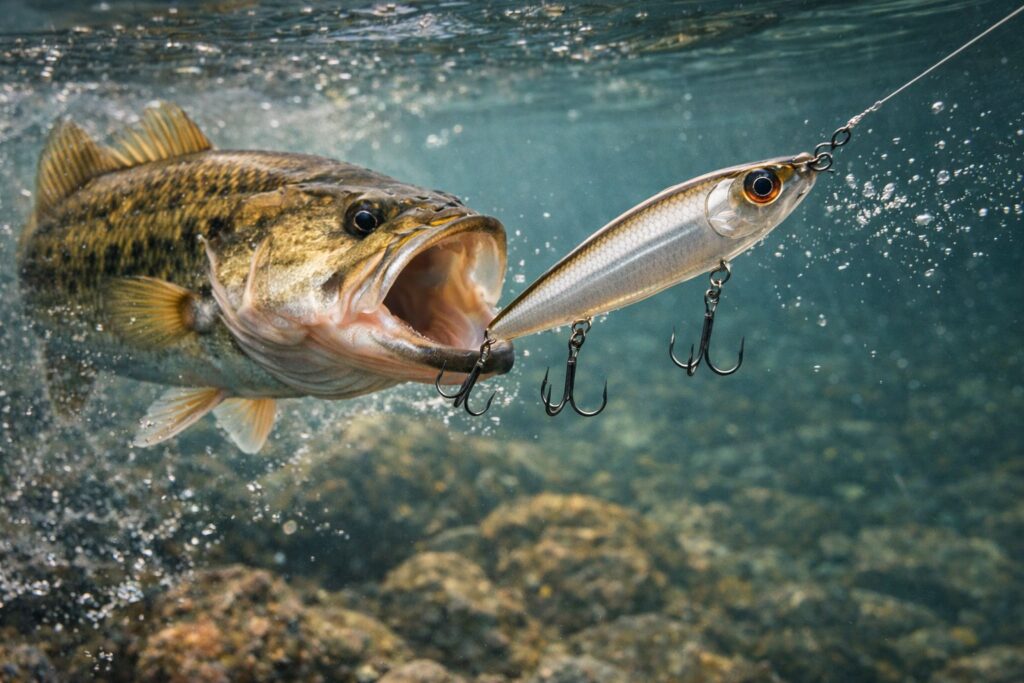
First, there is an abundance of food. The system is full of baitfish like shad, along with bluegill and other forage. That gives bass a consistent food supply throughout the year.
Second, the heavy vegetation provides excellent protection. Bass can live deep in grass mats or under pads where they are hard to reach. This reduces fishing pressure and allows more fish to grow larger.
Third, the water color works in the angler’s favor. Since the water is not crystal clear, bass feel more comfortable staying shallow and feeding aggressively. They are less wary than fish in clear lakes, which often leads to more strikes.
Seasonal Patterns
Fishing the Upper St. Johns successfully requires understanding how bass move throughout the year. While fish can be caught any time, each season has its own patterns.
Spring
Spring is the best time to fish this system. As water temperatures rise, bass move into shallow areas to spawn. You’ll find them in protected flats, especially where there is a firmer bottom mixed with grass or pads.
During this time, bass are often in less than three feet of water. They may be guarding beds or cruising nearby. This is a great time for soft plastics, especially worms and creature baits. If the water is clear enough, sight fishing can be very effective.
Summer
Summer brings heat, and that changes everything. Water temperatures rise, and oxygen levels can drop, especially in stagnant areas. Bass respond by moving into thicker cover or areas with better water quality.
Early morning and late evening are the best times to fish during summer. Midday fishing can still be productive, but you’ll need to focus on heavy shade, such as thick grass mats or under lily pads.
Techniques like punching through vegetation or fishing topwater frogs can produce big fish during this time.
Fall
Fall is all about feeding. As temperatures begin to drop, baitfish become more active, and bass follow them. This is one of the most exciting times to fish because bass often school up and chase bait near the surface.
You’ll want to look for signs of activity like baitfish flicking on the surface or birds diving. Reaction baits like crankbaits, spinnerbaits, and swimbaits work well during this period.
Winter
Winter slows things down. Bass become less active and tend to move to slightly deeper water or more stable areas. They won’t chase fast-moving baits as much, so slower presentations are key.
Fishing can still be good, but patience is important. Focus on deeper holes, channels, or areas with consistent water conditions.
Where to Find Bass
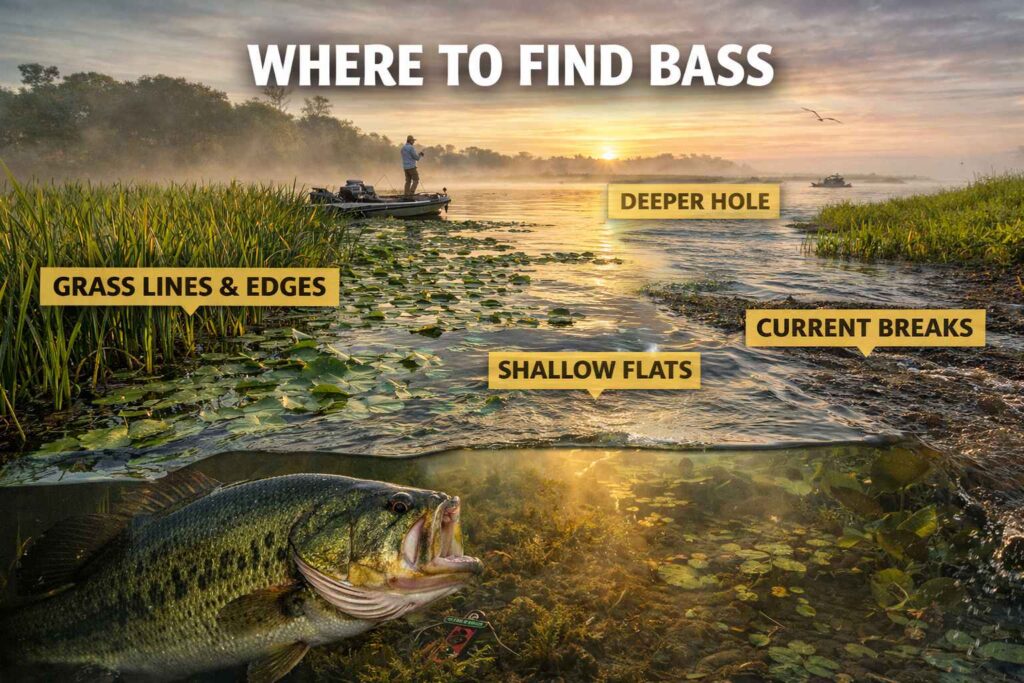
Even though the Upper St. Johns looks like endless water and grass, bass still relate to specific areas.
One of the best places to fish is along grass edges. Anywhere thick vegetation meets open water is a prime ambush point. Bass will sit just inside the cover and strike anything that swims by.
Shallow flats are another key area, especially in spring. Look for areas with a mix of grass and open patches where bass can spawn.
Deeper channels and holes become important during extreme conditions like cold fronts, drought, or intense heat. These areas hold more stable water and often concentrate fish.
Also pay attention to any moving water, even if it’s slight. After rain or wind, subtle current can position fish and bring in bait.
Best Techniques
Fishing the Upper St. Johns requires adapting to heavy cover and shallow water. Some techniques consistently produce.
Topwater fishing is one of the most exciting ways to catch bass here. Frogs are especially effective because they can be fished over thick vegetation where other lures can’t go. Walking baits and poppers also work well in open pockets.
Flipping and pitching is another essential technique. Using heavy gear, you can drop a bait directly into thick cover where bass are hiding. This is one of the best ways to catch big fish in this system.
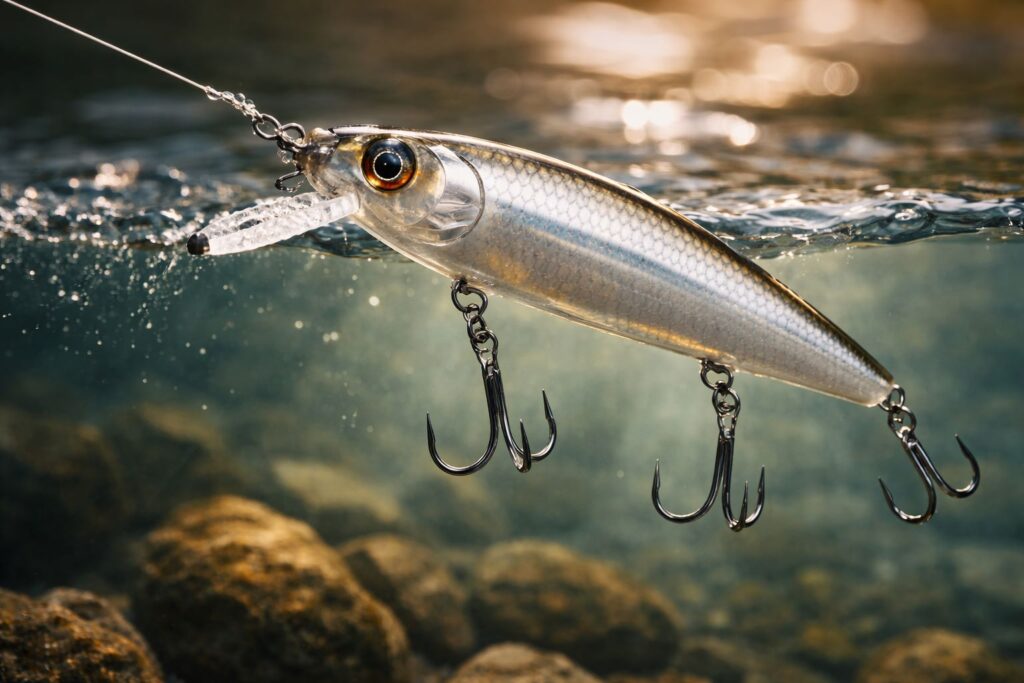
Reaction baits can be effective when fish are active. Spinnerbaits and chatterbaits work well in stained water and around grass edges.
On tougher days, slowing down with soft plastics can make a big difference. A simple worm worked slowly through cover can trigger bites when nothing else will.
The Importance of Water Levels
Water level is one of the most important factors on the Upper St. Johns River. It changes constantly and has a huge impact on where fish are located.
When water levels are low, bass are forced into deeper areas and become easier to find. However, navigation becomes more difficult, and some areas may be inaccessible.
When water levels are high, fish spread out into flooded vegetation. This can make them harder to locate, but it also opens up new areas to fish.
Paying attention to water levels and adjusting your approach accordingly is critical for success.

Boat and Navigation Considerations
Fishing this system requires the right setup. Because the water is shallow and full of vegetation, a shallow-draft boat is ideal. Many anglers also use airboats to access remote areas.
You’ll need to be careful when running your boat. Hidden obstacles, grass, and shallow areas can damage equipment if you’re not paying attention. It’s best to learn the area gradually and avoid running at high speeds in unfamiliar water.
Common Mistakes
Many anglers struggle here at first, and it usually comes down to a few common mistakes.
Fishing too fast is one of the biggest issues. Bass in this system often need time to react, especially in heavy cover.
Using gear that’s too light is another problem. You need strong rods, heavy line, and the right setup to pull fish out of thick vegetation.
Ignoring water levels can also lead to poor results. Conditions change quickly, and what worked one day may not work the next.
Finally, not paying attention to baitfish can hurt your success. Matching what bass are feeding on is always important.
Final Thoughts
Bass fishing the Upper St. Johns River is different from almost anywhere else. It’s not about deep structure or clear water techniques. It’s about understanding a shallow, vegetation-heavy system and learning how bass use that environment.
Once you figure it out, the rewards can be incredible. Big fish, explosive strikes, and the feeling of fishing in a truly wild place make it worth the effort.
It may take time to learn, but that’s part of what makes it special. The more you fish it, the more it makes sense, and the better you’ll get.
And when it all comes together, there are few places better to chase largemouth bass.
This post contains affiliate links.